6 Best Meditation Retreats and Centers in India Compared for 2026
Updated: November 2026
India has some of the most serious meditation settings in the world. You can sit with Tibetan Buddhist teachers in the Himalayan foothills, follow a ten-day silent course, or stay in an ashram in Rishikesh or Kerala. Days are early, quiet and simple.
Meditation retreats in India are mostly residential, with fixed timetables and rules on silence or conduct. Choose by tradition and by how much structure you can handle. A strict silent course asks a lot. A beginner-friendly introduction or a comfortable wellness stay with meditation built in is far gentler.
Long silence and extended sitting aren’t right for everyone. Ask about the teachers’ background and the support on offer, and tell the centre about any health needs before you arrive.
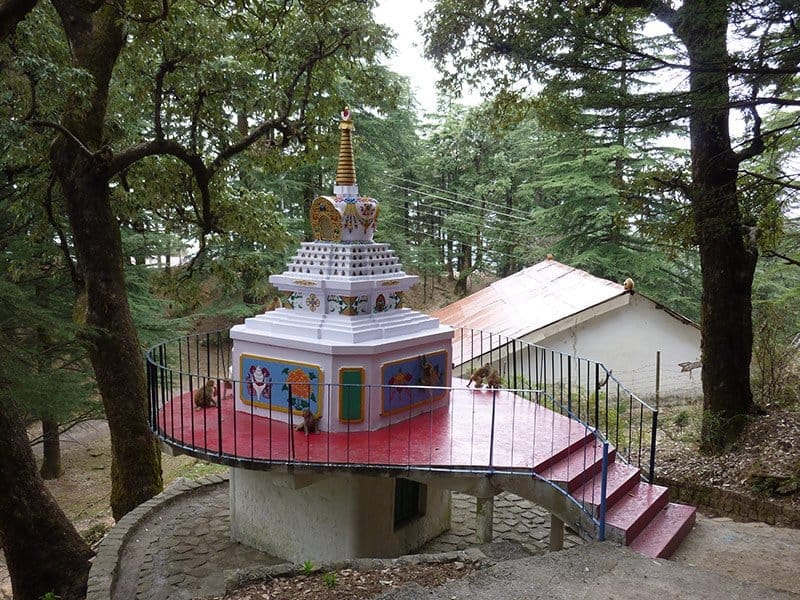
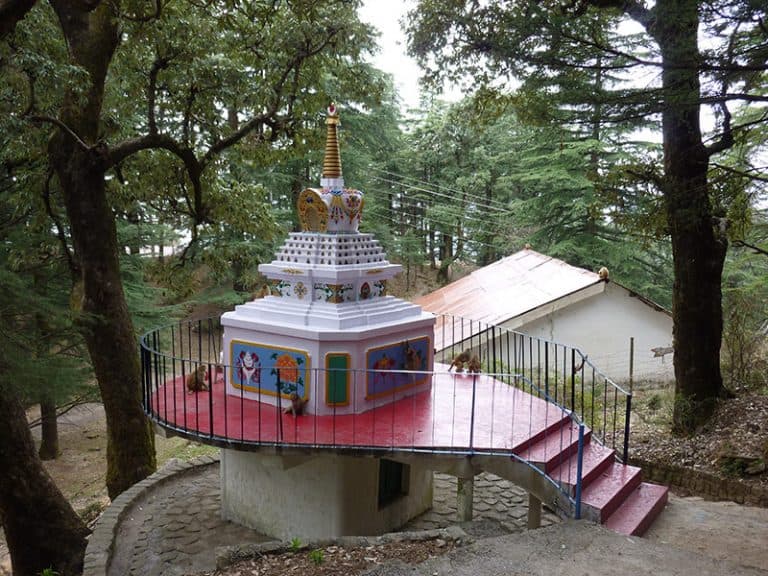
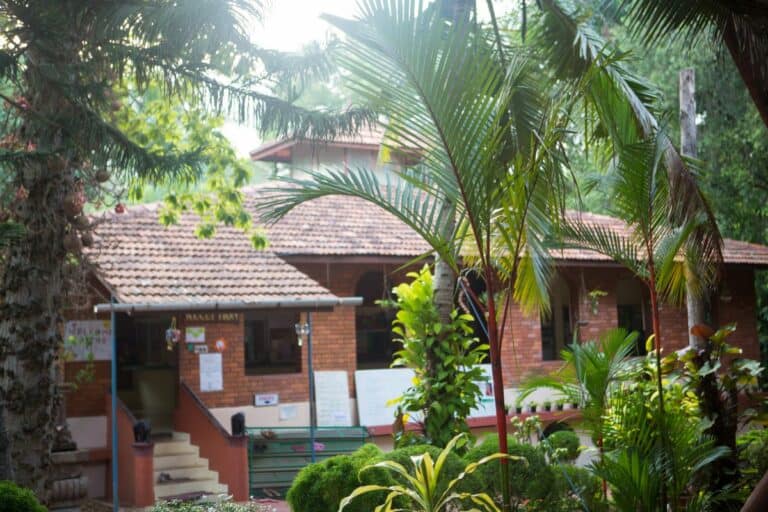
Best for a structured Tibetan Buddhist foundation course. Tushita Meditation Centre sits in the forest above McLeod Ganj and runs residential Introduction to Buddhism courses. The typical ten-day format combines teachings, guided and silent meditation, discussion and a disciplined daily schedule. It is a Buddhist study-and-practice centre, not a flexible wellness resort, so read the course rules, silence expectations and eligibility before applying. Popular dates may fill.
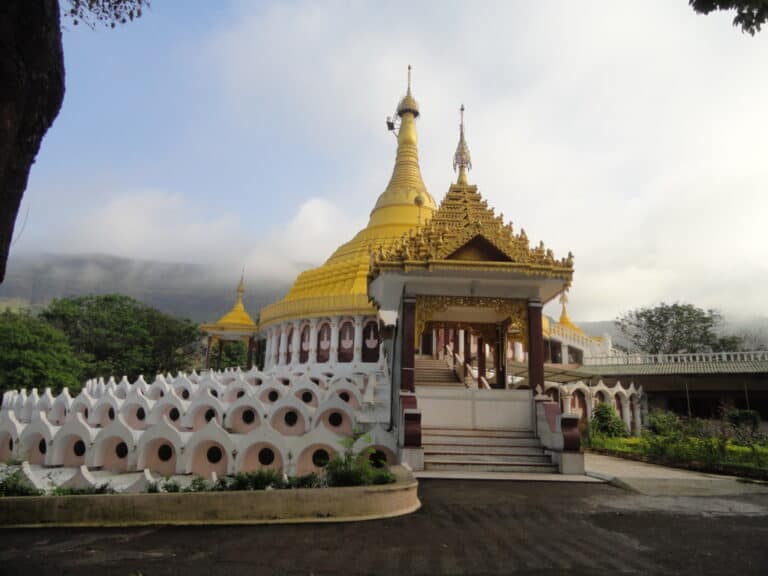
Best for a traditional ten-day Vipassana course. Dhamma Giri in Igatpuri runs residential courses in the S. N. Goenka tradition. The standard beginner route is an intensive ten-day course with a fixed timetable, silence and separate accommodation areas. An application is not a hotel booking and acceptance is not automatic. Read the code of discipline and the health and accessibility questions before making travel plans.
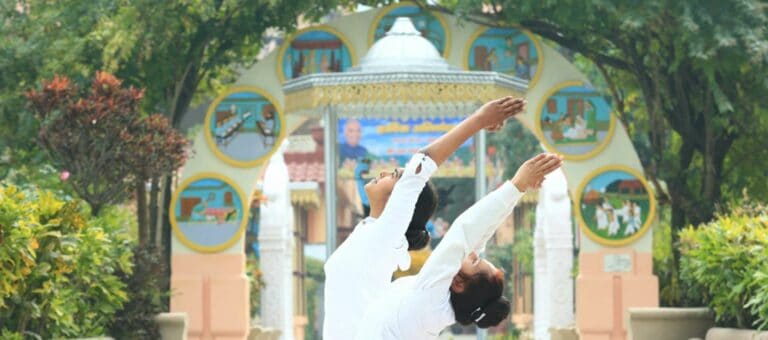
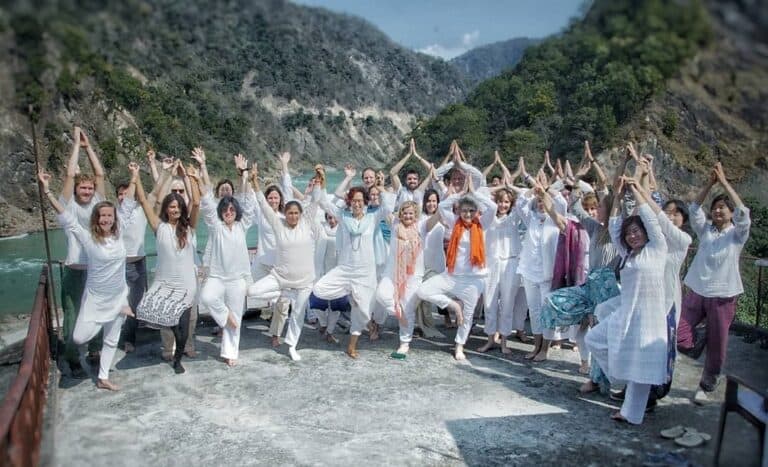
Best for a large Ganges-side ashram with set retreats. Parmarth Niketan in Rishikesh offers residential courses and short spiritual retreats that may combine meditation, yoga, mantra, satsang, ceremony and communal ashram life. The style is devotional and dates vary, so compare the exact event rather than assuming a standard meditation curriculum. Confirm accommodation, meals, language and daily obligations before registering.
Best for a year-round yoga-ashram routine. Sivananda Yoga Vedanta Dhanwantari Ashram at Neyyar Dam offers a residential Yoga Vacation with morning and evening meditation or satsang, yoga classes, lectures or chanting, karma yoga and vegetarian meals. It is a structured communal stay with early starts and modest accommodation, not a conventional resort. Ask about arrival days, minimum stay and room category.
Best beginner-friendly seven-day ashram introduction. Phool Chatti Ashram near Rishikesh offers a residential Yoga and Meditation Retreat designed as a broad introduction to ashram life, with meditation, yoga, pranayama, chanting, silence, nature walks and ceremonies. It is broader than a meditation-only retreat. Check the calendar, seasonal conditions, room arrangements and physical demands before booking.
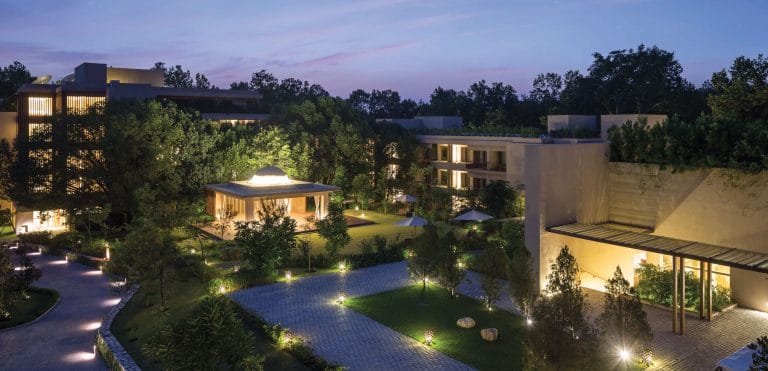
Best luxury option with meditation in the daily programme. Six Senses Vana near Dehradun includes full-board accommodation, consultations, a daily treatment and group activities, with several meditation practices alongside yoga, fitness and other wellness services. It is a personalised luxury retreat, not a single-tradition meditation centre. Some programmes use medical, detox or guaranteed-outcome language: treat that as marketing and choose by the actual itinerary, practitioner roles and cancellation terms.
Conclusion
For a clear meditation-first format, start with Tushita Meditation Centre or Dhamma Giri. Parmarth Niketan and Sivananda Yoga Vedanta Dhanwantari Ashram suit people who want a wider devotional routine, Phool Chatti Ashram is a gentle week-long introduction, and Six Senses Vana is for those who want comfort alongside meditation.
Before you book flights, read the entry requirements and apply through the official route. A donation-based course still has rules about conduct and acceptance, so wait for confirmation before you travel.
FAQs About Meditation Retreats and Centers in India Compared
Which meditation retreat in India is best for beginners?
Phool Chatti Ashram offers a broad introduction to yoga, meditation and ashram life, which suits most beginners. Tushita welcomes beginners too, but its residential course is more intensive and rooted in Tibetan Buddhist study.
Where can I do a ten-day Vipassana course in India?
Dhamma Giri in Igatpuri runs ten-day residential Vipassana courses in the S. N. Goenka tradition. The centre handles applications and availability, so wait for your place to be confirmed before you travel.
Are meditation retreats in India free?
Some Vipassana courses run on donations given after the course, while ashrams and luxury retreats charge for rooms or programmes. Donation-based does not mean no rules, so read the terms for your exact course.
What is the difference between an ashram and a meditation centre?
A meditation centre usually focuses on one practice or course. An ashram has a wider daily routine that can include yoga, chanting, service and shared meals. Compare the daily schedule rather than the label.
Are intensive meditation retreats safe for everyone?
No. Long silence, hours of sitting and strict group rules can be hard, and some people have difficult experiences. Ask what support is on hand, talk to a health professional if you have concerns, and do not treat a retreat as a replacement for care.
This is a manually curated list about the Best Meditation Retreats and Centers in India Compared, managed by the BrowseWellness editorial team.
We want our lists to be useful and accurate. If you have an established business that deserves to be listed here, please use this form to let us know.