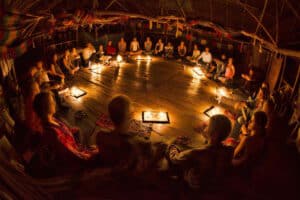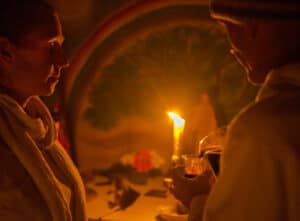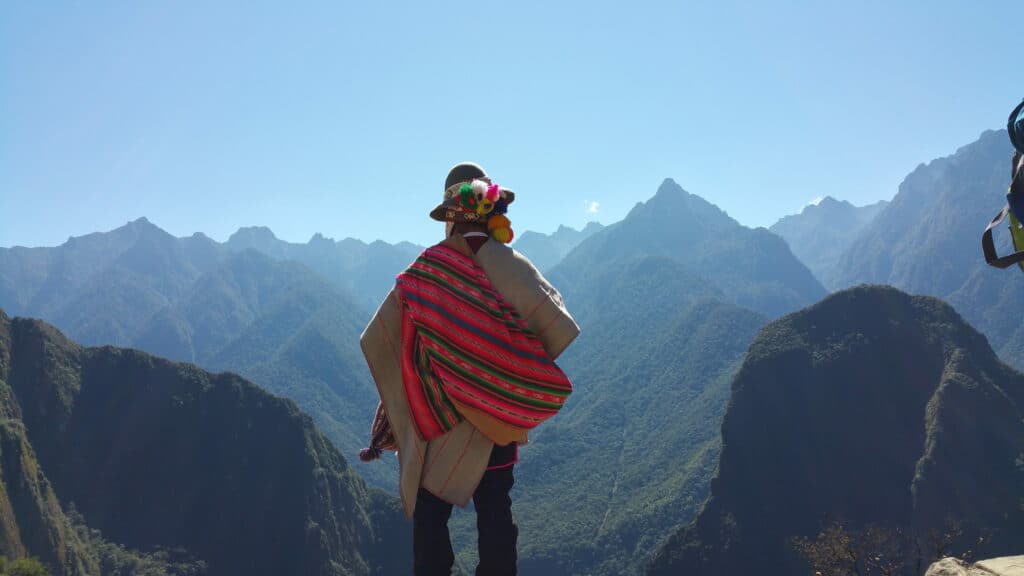
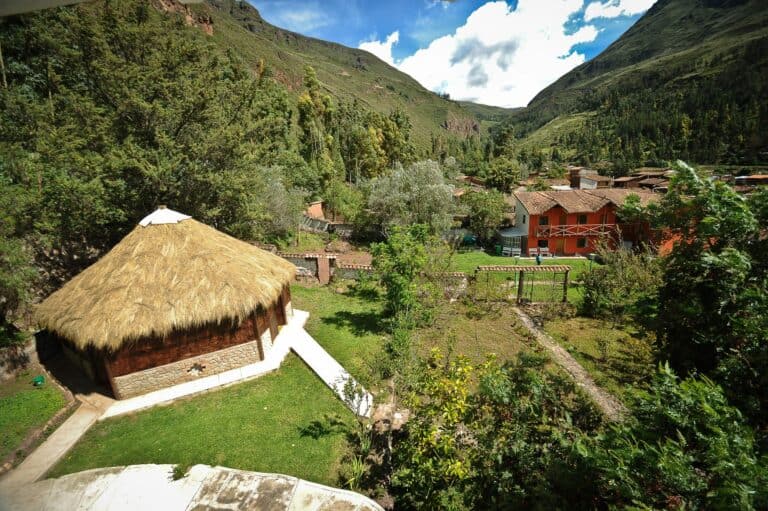
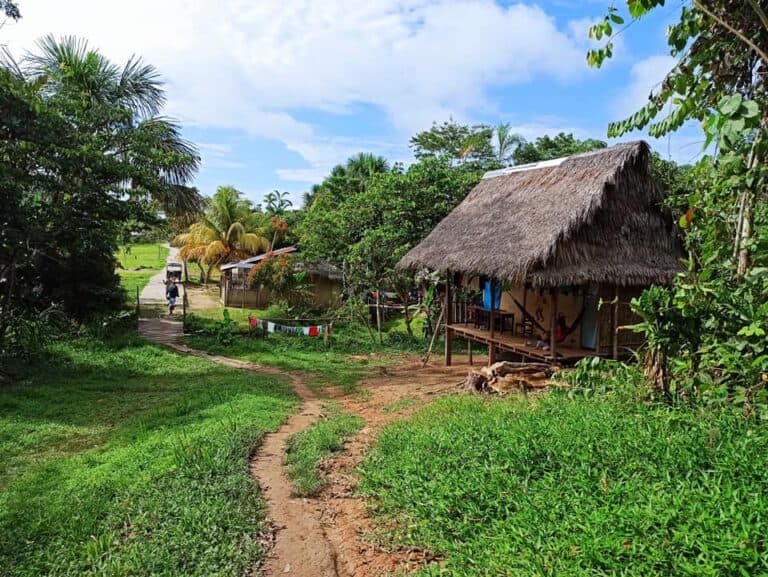
Peru is where many people expect to find ayahuasca, and the setting matters. Centres sit in two regions, the Amazon around Iquitos and the Sacred Valley near Cusco, with ceremonies held in small groups surrounded by forest or mountains.
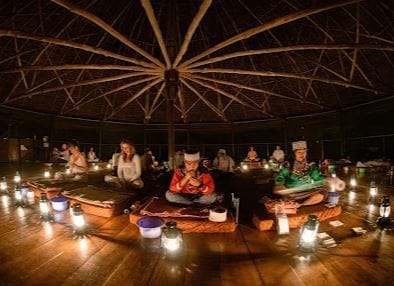
Ayahuasca retreat centres in Peru run from a few days to a few weeks, with screening, preparation and ceremonies. Look at how each one handles medical screening, group size, staffing and evacuation plans, since those details tell you more than the photos. What a centre says about its own safety is a claim, not a guarantee.
Ayahuasca is psychoactive and not an approved treatment, and brews offered to tourists in Peru are unregulated. It can interact dangerously with antidepressants and other medicines. Get independent medical screening first, and never stop prescribed medication without your prescriber.
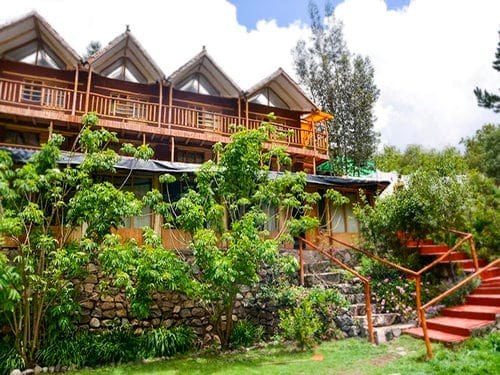
Best for the Sacred Valley instead of the jungle. Etnikas runs three-, five- and seven-day programmes near Cusco, the shortest stays on this page, in mountain country rather than rainforest. Applicants go through physical and psychological screening, medication is reviewed, and a doctor with emergency equipment attends ceremonies. Ask which clinic takes emergencies, what the brew contains, and whether you need a health letter before you travel.
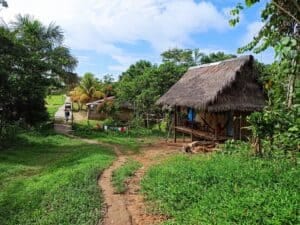
Best for a remote Amazon immersion. If you want the deep-rainforest side of Peru, the Temple of the Way of Light lies several hours beyond Iquitos by road, boat and foot. Its safety arrangements are the most detailed on this page, with screening, sober ceremony staff, round-the-clock support on site and an evacuation link to an Iquitos clinic. That remoteness also puts hospital care hours away.
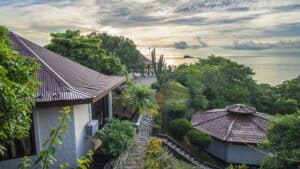
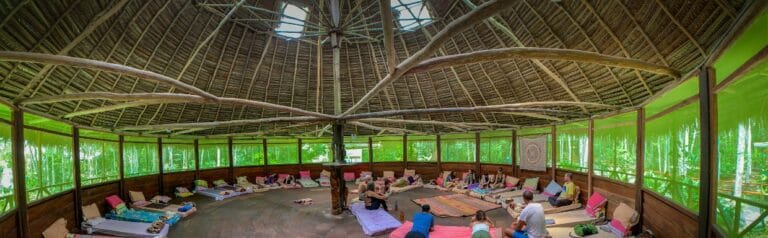
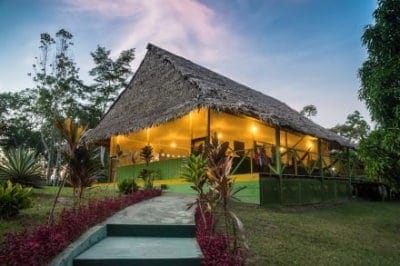
Best for an intimate group with yoga. Naturalia, near Iquitos, caps groups at five and combines ceremonies with yoga over seven days, staying in private bungalows. Pick it over the bigger Amazon centres if a quiet, personal stay matters more to you than a full programme. Ask how long it takes to reach a hospital from the site.
Retreats Available at Naturalia Retreat Center
Best for traditional Shipibo ceremonies. Caya Shobo, outside Iquitos, follows the Shipibo tradition of the Peruvian Amazon, with a cap of 12 guests and one healer for every four. Longer stays may include a master-plant dieta, a deeper commitment than ceremonies alone, so confirm every plant involved. The healing language on its site reflects the tradition, not a clinical result.
Best for a short, scheduled Amazon programme. Hummingbird’s seven-, nine- and 12-day programmes start from Iquitos on fixed dates, with groups of up to ten and sober support staff. Longer immersions are available too. San Pedro (Huachuma) is part of the standard programme, so ask whether you can say no to it, and who decides if a psychiatric history rules you out.
Best for choosing between jungle and mountains. Arkana is the only centre on this page with sites in both regions, the Amazon near Iquitos and the Sacred Valley near Cusco, with stays of seven to 21 days. Each site offers extra substances: Bufo in the Amazon, San Pedro in the Sacred Valley. Combining them raises the risk, so get the full programme in writing and treat every extra as optional.
Best for straightforward terms. Selva Madre near Iquitos offers several retreat lengths and spells out its rules: a full medical questionnaire, no harassment or intoxication, and a plain statement that it is not a medical facility and emergency costs are yours. If you are comparing Peru centres on how clearly they set expectations, start here.
Conclusion
Etnikas and Temple of the Way of Light suit people who want medical and risk-management detail up front. Naturalia Retreat Center and Hummingbird Healing Center suit smaller groups, Caya Shobo and Selva Madre Healing Center share the most about staffing and terms, and Arkana Spiritual Center offers a choice of Amazon or Sacred Valley.
Before you apply, ask how guests are screened, who stays sober during ceremonies, how far the nearest clinic is and what the refund terms are. A remote jungle setting means slower access to hospital care, so weigh that as heavily as the programme. A retreat is no substitute for medical or mental-health care.
FAQs About Ayahuasca Retreat Centers in Peru
Are ayahuasca retreats in Peru safe?
No retreat can promise safety. Ayahuasca is psychoactive, the brews are unregulated, and serious illness and harm have happened. Your risk depends on your health, your medicines, the brew, the screening and how quickly you could reach emergency care. Treat any safety claim as something to check.
Can I stop medication before an ayahuasca retreat?
Don’t stop prescribed medicine because a retreat tells you to. Tell the operator and your own doctor about everything you take, including supplements. Some medicines, antidepressants in particular, can interact dangerously with ayahuasca, and stopping suddenly can also cause harm. If your doctor says it is unsuitable, don’t go.
Who should avoid ayahuasca?
Avoid it if you have a personal or family history of psychosis or mania. Heart or neurological conditions, pregnancy, breastfeeding, antidepressants and other medicines or substances can add risk. Only a clinician who knows your history can tell you whether it is right for you.
What safety questions should I ask a retreat?
Ask who screens guests, who stays sober during ceremonies, how many staff there are per guest and how they are trained. Ask for the full list of ingredients, how you are monitored afterwards, how far the nearest clinic is and what happens to your money if screening rules you out. Get the important answers in writing.
How can I assess consent and safeguarding?
Ask to see the consent, touch and complaints policies in writing. Find out whether guests are ever left alone while impaired, whether private one-to-one sessions happen and whether gender-matched support is available. Walk away from any provider who brushes these questions off.
How should I plan for an emergency in remote Peru?
Check current government travel advice, take insurance that covers the activity and evacuation, and find out which clinic you would use and how long it takes to get there. Don’t assume a remote centre has hospital-level care. Ayahuasca isn’t legal just because a retreat advertises it, so get local legal advice before you go.
This is a manually curated list about the Best Ayahuasca Retreat Centers in Peru, managed by the BrowseWellness editorial team.
We want our lists to be useful and accurate. If you have an established business that deserves to be listed here, please use this form to let us know.